
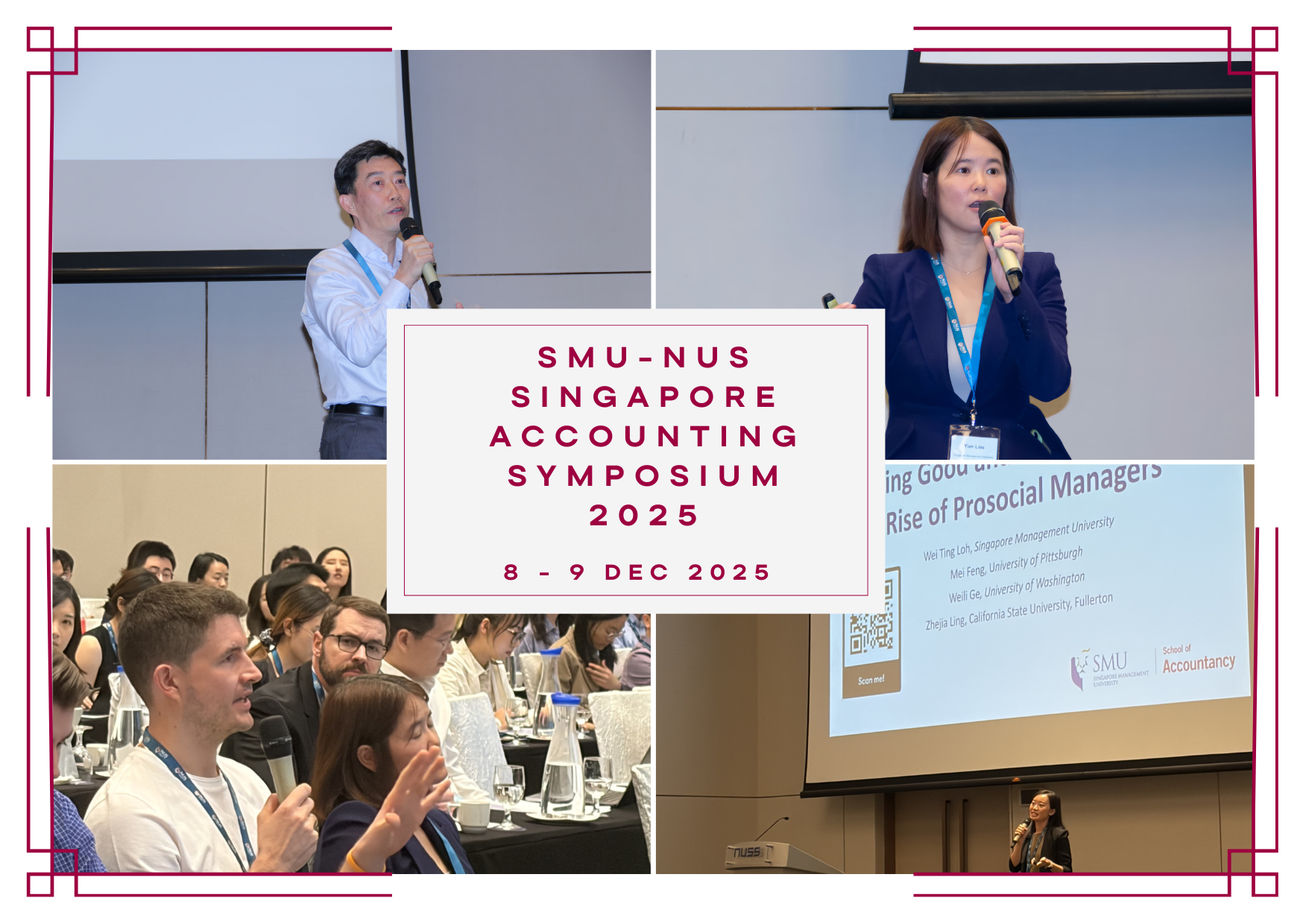
Singapore Management University (SMU) reaffirmed its strong commitment to advancing accounting research and fostering innovation across the Asia-Pacific by joining hands with the National University of Singapore (NUS) to organise the Singapore Accounting Symposium this year.
Held over 8 and 9 December 2025, the symposium brought together around 140 participants from SMU, NUS, and other institutes of higher learning in the region. The event provided a platform for interdisciplinary research in accounting, highlighting how the field continues to evolve in response to regulatory, sustainability, and market developments.
A total of 10 research papers were presented by academics from universities across the region. These papers covered a wide range of topics, including the effectiveness of audit regulation, how uncertainty in information affects market behaviour, and the role of green contracts and prosocial behaviour in shaping organisational outcomes.
Examining audit regulation and its effectiveness
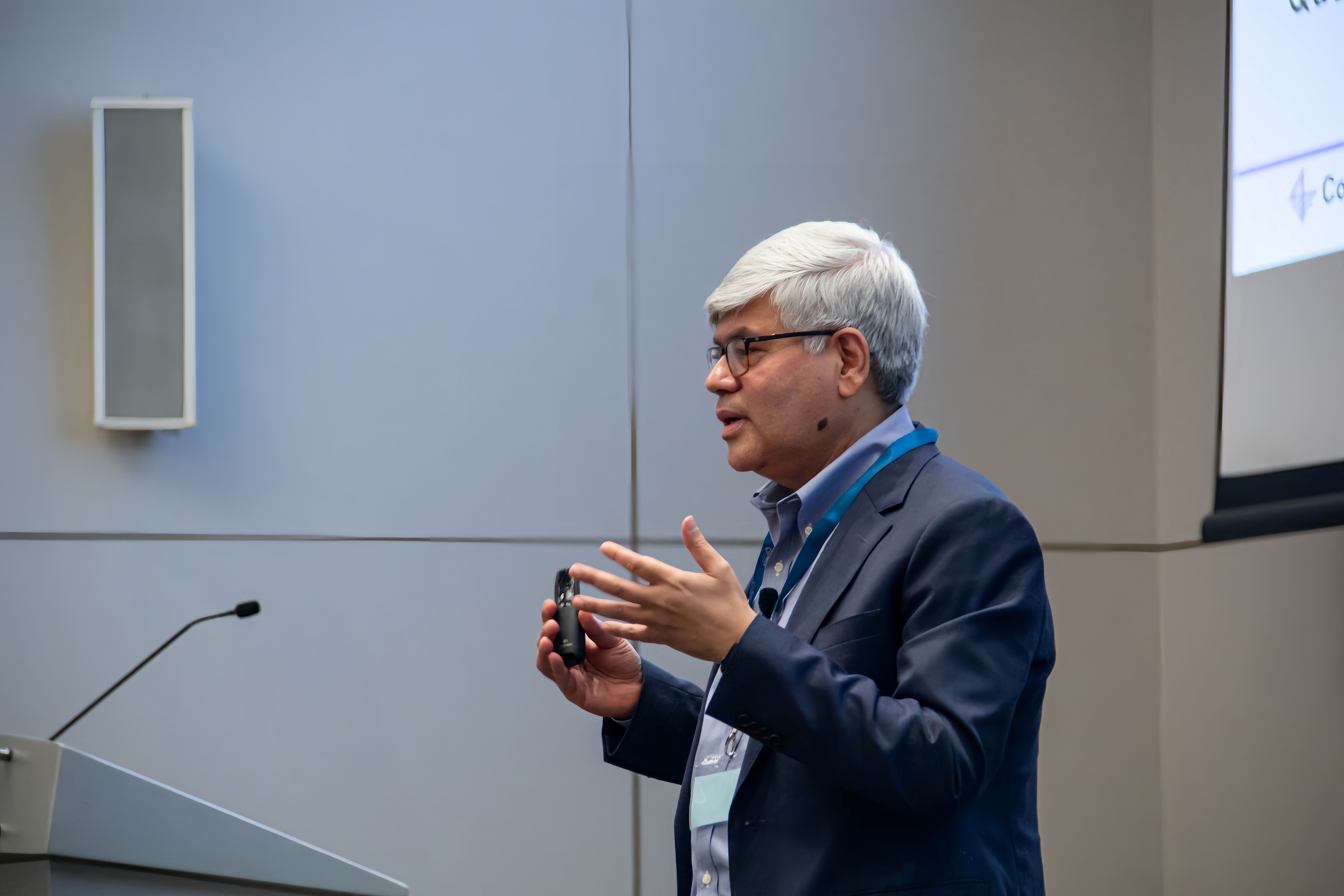
The symposium opened with a keynote session by Professor Shiva Rajgopal from Columbia University, who recently joined the advisory board of SMU School of Accountancy Research (SOAR).
Presenting his paper, “Is the PCAOB Effective? Insights from Interviews”, Professor Rajgopal shared findings from a study on the effectiveness of the Public Company Accounting Oversight Board (PCAOB), conducted with co-authors. Established by the US Congress in 2002, the PCAOB is a non-profit organisation that oversees the audits of publicly listed companies in the United States.
Professor Rajgopal explained that since its creation, the PCAOB has faced repeated attempts to weaken or abolish it. Over time, these debates have become increasingly politicised, making it difficult to recruit participants who were willing to speak openly in focus groups. As a result, the researchers relied on direct interviews and anonymised the data, which meant that detailed demographic information about participants could not be disclosed.
Despite these challenges, the interviews revealed broad agreement on the PCAOB’s original purpose. As Professor Rajgopal shared, “Virtually everyone agreed that at the point in time (of [its] establishment), the PCAOB served a useful and critical function to shore up the credibility of our audits and financial statements, and many support the continuation.”
At the same time, many participants felt that reforms may be needed. Suggestions included reducing political influence over the institution and separating the role of setting professional standards from inspection and enforcement activities.
How green procurement in government contracts affects sustainability
Following the keynote discussion, attention turned to sustainability and the role of government policy in driving environmental change.
Professor Mingyi Hung from the University of British Columbia presented her paper, “Green transition through government contracting: Evidence from the 2014 EU Public Procurement Reform”. She explained that her research found a reduction in direct emissions among government suppliers after the introduction of green public procurement (GPP) reforms. This provides clear evidence that government contracting rules can encourage more sustainable business practices.
As the discussant, SMU Associate Professor of Accounting Yun Lou highlighted the broader significance of the study. She noted that while existing research shows a relationship between customers’ and suppliers’ Environmental, Social, and Governance (ESG) performance, there is less direct evidence explaining how customers influence suppliers’ behaviour.
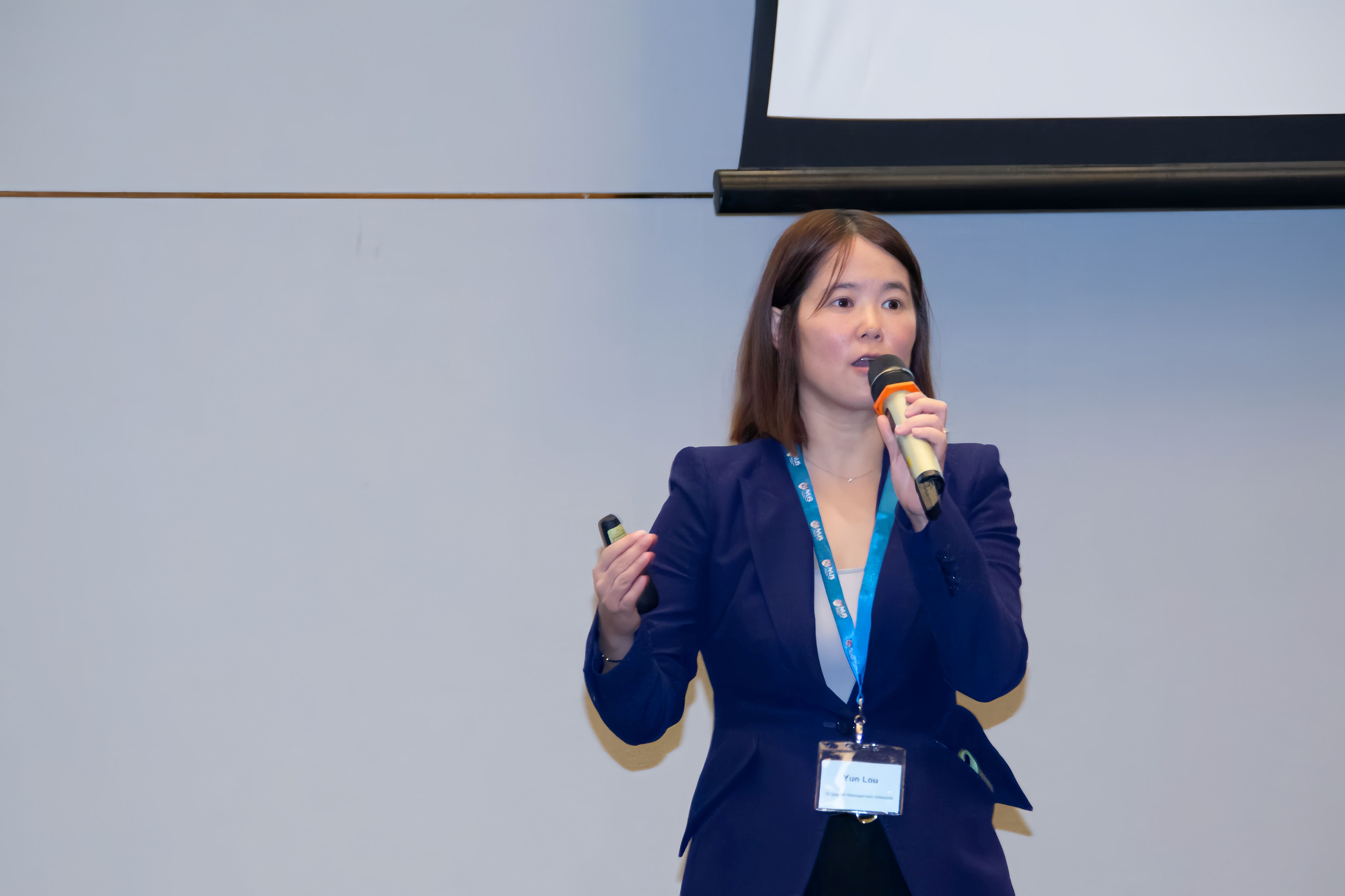
By focusing on contractual requirements, Professor Lou suggested that the paper addresses this gap directly. As she observed, “Given the evidence in this paper that customers can in fact influence their suppliers’ ESG performance through contracting criteria, this paper can make an important contribution in this regard.”
How uncertainty on information advantage shapes market prices
The second day of the symposium began with a keynote by Professor Lakshmanan (Shiva) Shivakumar from London Business School, another new member of the SOAR advisory board.
His presentation explored how access to detailed information and analytics affects price discovery — the process by which market prices are formed — particularly when market participants are unsure whether they are the first to receive that information.
In the paper “Uncertain information advantage and price discovery: evidence from data vendor dissemination differences”, Professor Shivakumar and his co-authors studied how analysts’ forecast revisions are distributed by data vendors such as IBES and FactSet.
.jpg)
Professor Shivakumar explained, “The study is showing that when the same information is being disseminated by two different vendors, the market reacts to both disseminations, even though the information is the same.” He added that price discovery is weaker at the second dissemination than at the first, and that the difference becomes larger when more time passes between the two releases.
Doing good and the impact on career progression
In the afternoon session, SMU Assistant Professor of Accounting Wei Ting Loh presented research examining whether charitable or prosocial behaviour has measurable effects on career outcomes.
In her paper, “Doing good and doing well: The rise of prosocial managers”, Professor Loh and her co-authors investigated whether top executives who demonstrate prosocial tendencies benefit in tangible ways, particularly in terms of career advancement.

The findings suggest a positive link. As Professor Loh shared, “We find that both the likelihood of being promoted to the top management team, which are non-CEO positions, and the likelihood of becoming CEO, are significantly higher for prosocial individuals.”
The study also found that prosocial individuals tend to be promoted more quickly, with some receiving promotions up to a year earlier than their less prosocial peers.
Professor Loh noted, however, that the research is still in its early stages. Feedback from symposium participants included suggestions to examine how organisational culture influences the promotion of prosocial behaviour.
Looking ahead: Accounting at the intersection of policy and society
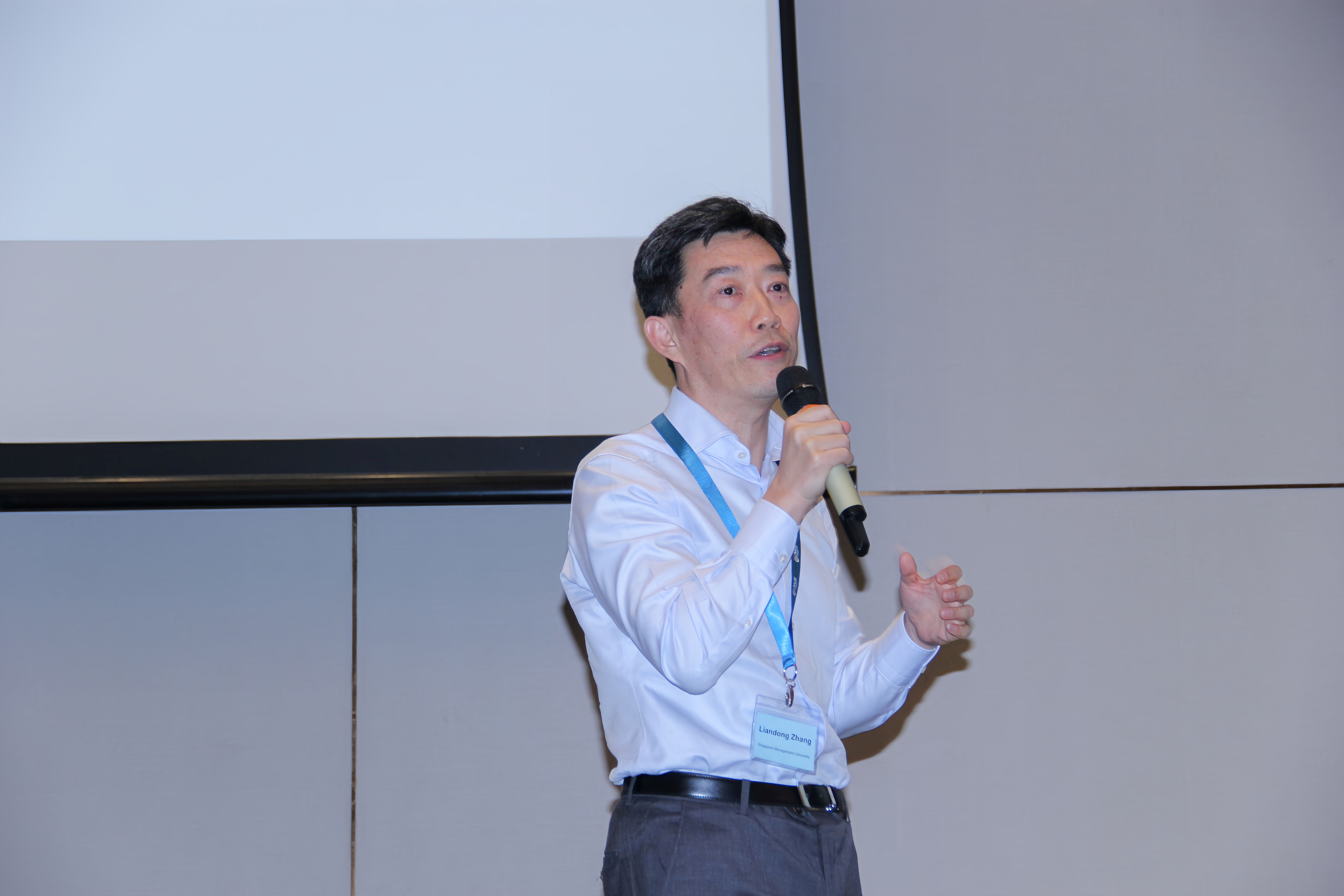
In his closing remarks, Professor Zhang Liandong, Dean of the SMU School of Accountancy, reflected on the wide-ranging and thoughtful discussions sparked by the research presented.
He highlighted the growing importance of accounting research as it intersects with sustainability, regulation, and broader economic concerns. Professor Zhang also thanked participants for their active engagement and expressed his hope that future editions of the Singapore Accounting Symposium will continue to serve as a meaningful platform for dialogue within the accounting community.