
Beyond the balance sheet, the accountancy industry is reshaped by two elements: the well-being of its workforce and the policies that define their professional lives.
These forces are not only influencing job satisfaction but rewriting the rules of engagement in the field. Case in point: new requirements like sustainability reporting have transformed the scope of work for many accountants, all while countries such as Singapore are facing an accounting talent shortage.
Against the backdrop of intensifying disruptions, two research papers presented by Singapore Management University (SMU)’s faculty offer particularly salient insights. Their findings are timely, addressing the pressing realities and future trajectory of the industry.
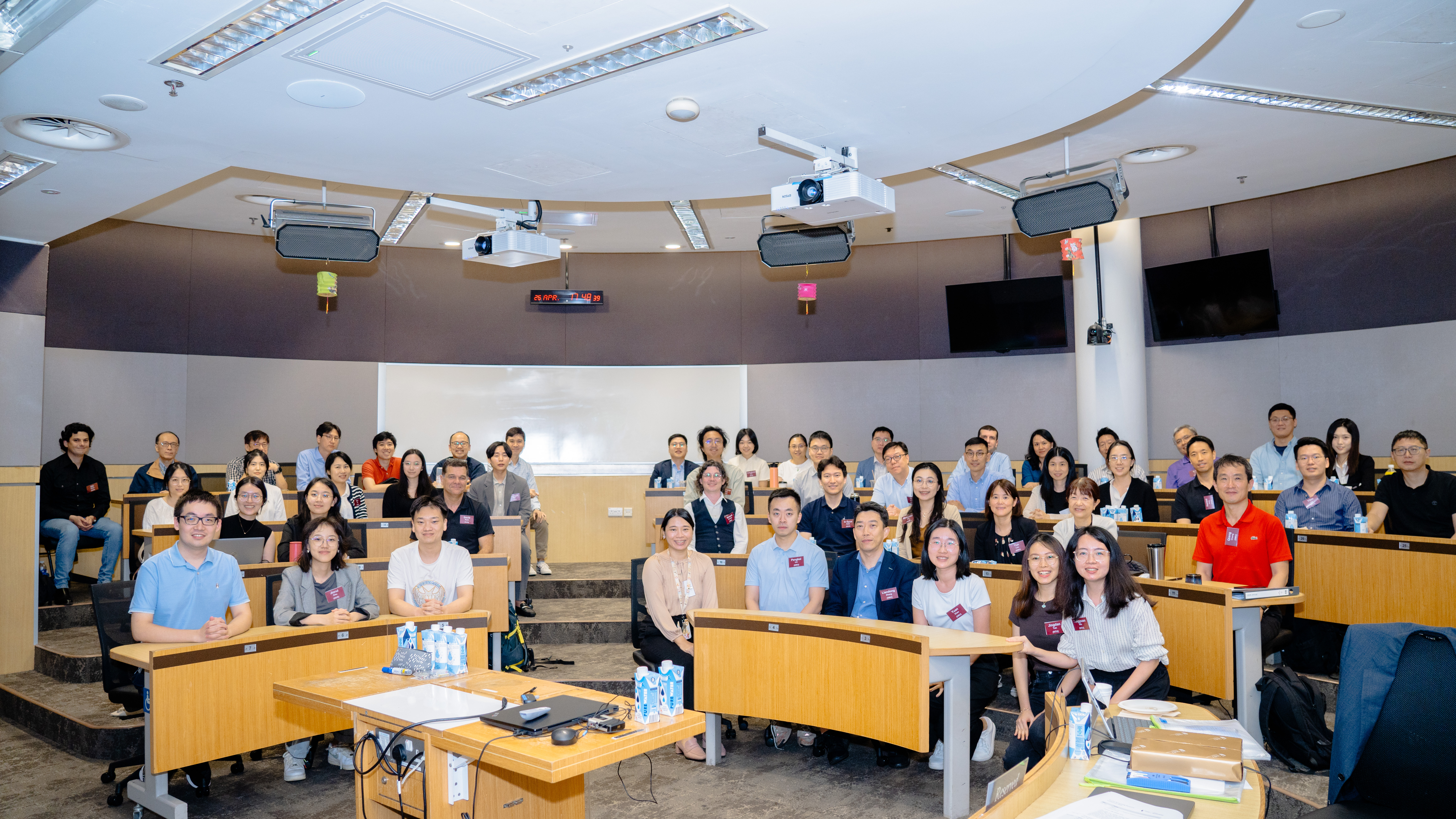
The papers were presented at the Tri-University Accounting Research Conference 2025, which was hosted by SMU School of Accountancy (SOA) on 26 April 2025, and was attended by faculty members from Nanyang Technological University (NTU), National University of Singapore and SMU.
The Tri-Uni Accounting Research Conference is hosted alternately among the three universities - NUS, NTU, and SMU. The annual conference aims to promote Assistant Professors’ research, providing a platform for the lively exchange of ideas and feedback between junior and senior faculty members.
Understanding how workload affects consumption and staff turnover
The public accounting field, especially for auditors, has a reputation for long hours and heavy seasonal workload – but how exactly does it affect consumption patterns and staff turnover?
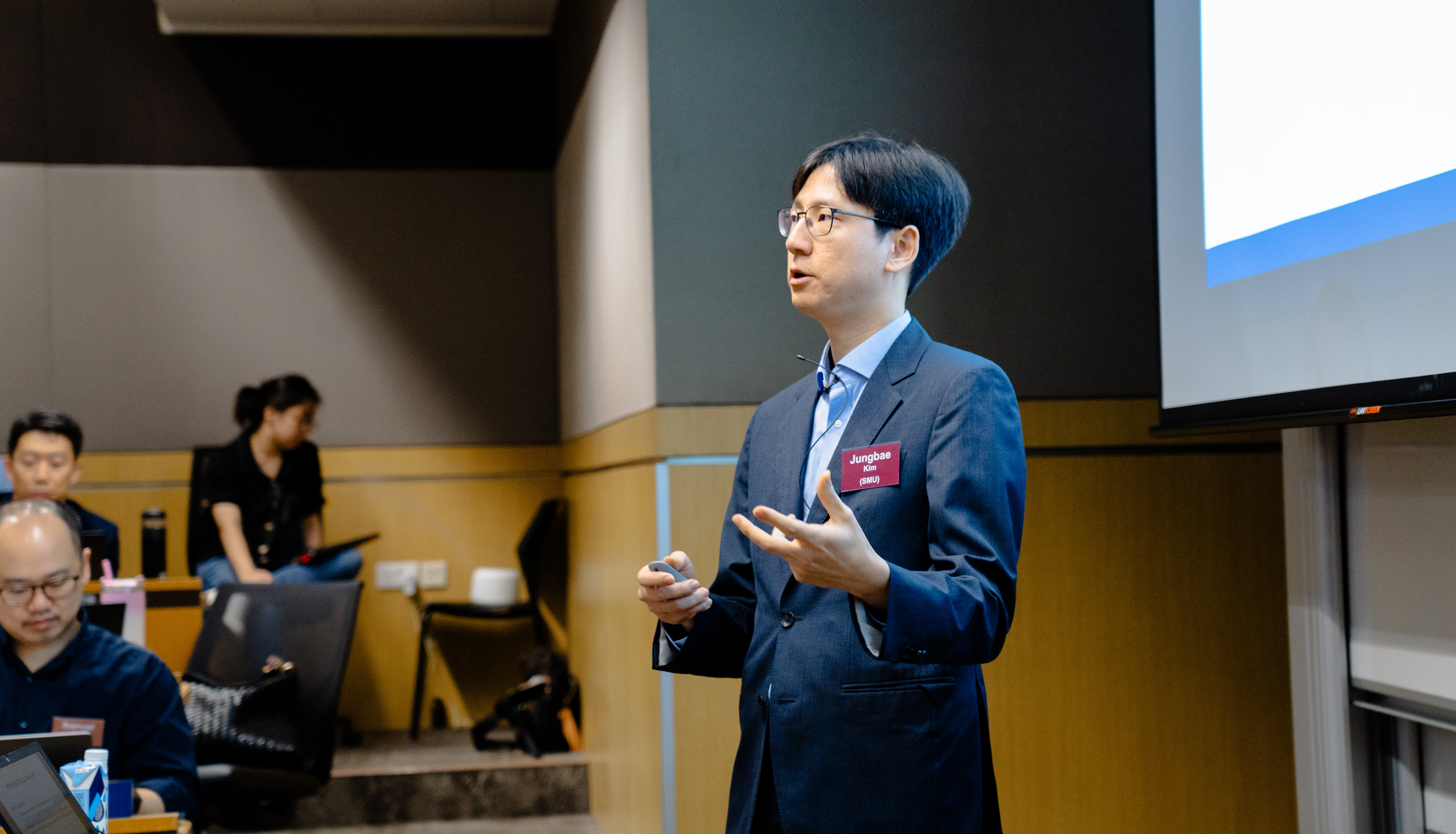
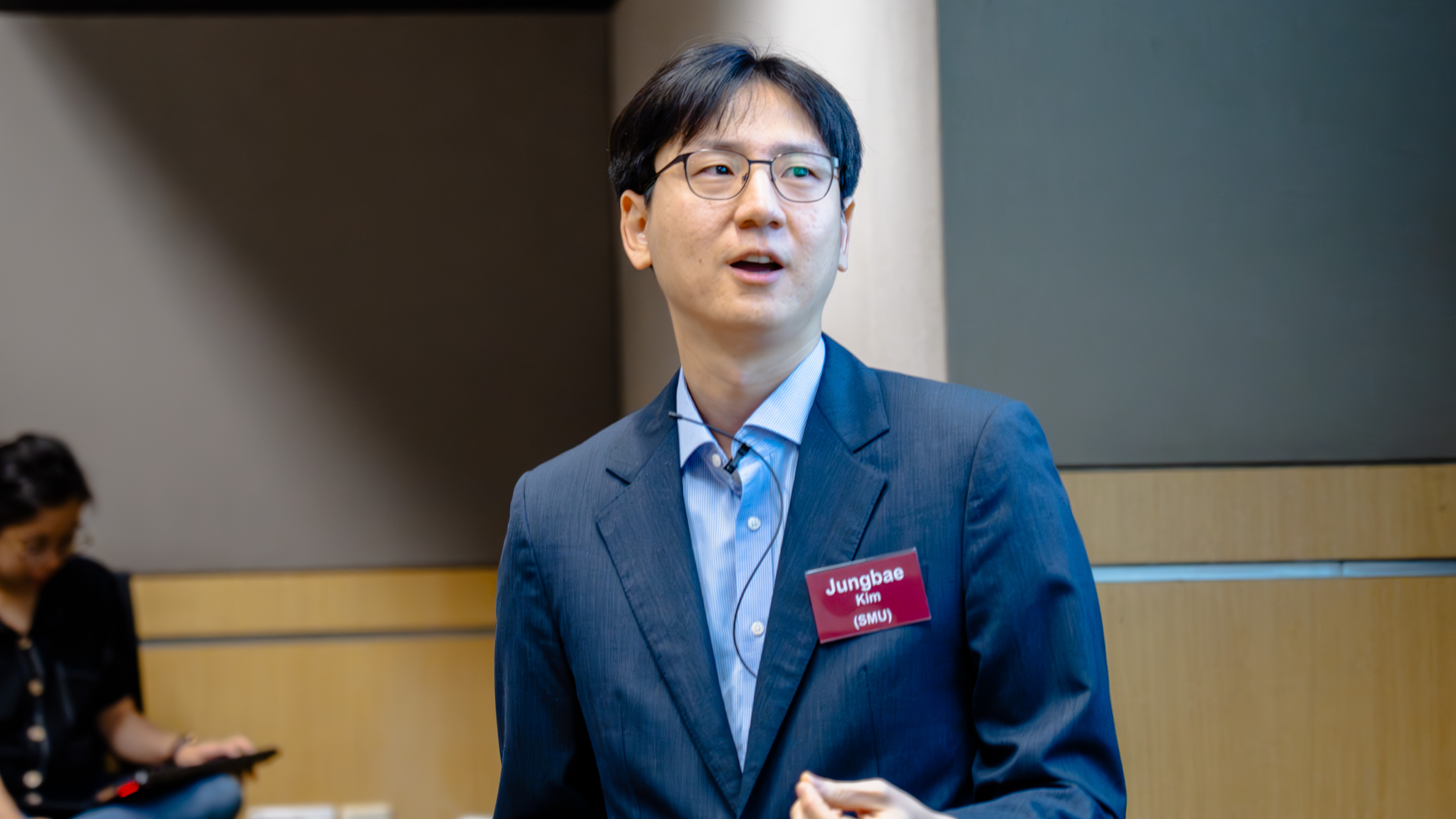
Jungbae Kim, Assistant Professor of Accounting; Lee Kong Chian Fellow at SMU’s School of Accountancy, set out to understand this in his paper titled “How Does Auditor Workload Affect Employee Spending and Turnover? Evidence from Micro-Level Transaction Data”.
The paper was co-authored with Daniel Aobdia, Ernst & Young Professor of Accounting at Pennsylvania State University, along with Ben Lourie and Chenqi Zhu, Associate and Assistant Professors at The University of California, Irvine.
“In existing literature, there are surveys that ask what auditors value – more money or work-life balance, becoming a firm partner, or other similar questions. We use a different approach by using data to observe their behaviours,” Professor Kim said, explaining how this research adds on to existing literature.
Some of the data examined detailed bank and credit card transactions, with personal identifies kept anonymous for data protection. Through this data, the authors were able to scrutinise changes in spending behaviour, as well as understand turnover decisions for 44,419 anonymised individuals.
Their research uncovered that auditors did in fact reduce consumption during busy periods, after the end of each fiscal year. In addition, this effect was more pronounced for junior auditors, showing that more senior auditors had learned to cope better with the seasonal nature of audit work.
On top of this, the authors found that greater workload imbalance increases the likelihood of individual auditor turnover, which is consistent with existing literature that has highlighted the negative effect that an excessive workload has on auditor work-life balance, while increasing their chances of leaving the profession.
These results suggest that the initiatives introduced by audit firms to monitor staff workload has not yet been effective, meaning more must be done to retain talent in the field.
Understanding the benefit of further standardisation in financial reporting
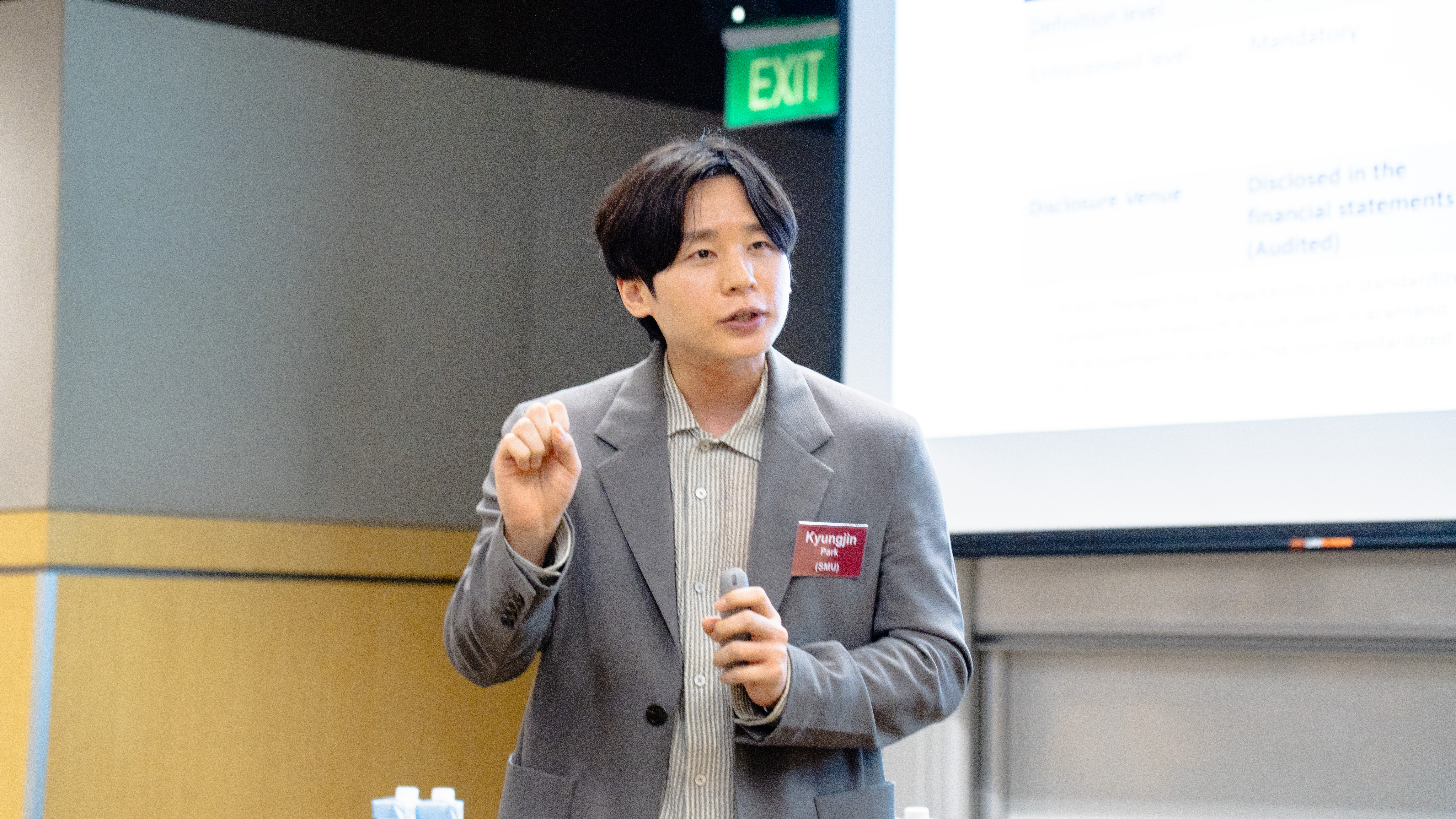
The second SMU paper, presented by Kyungjin Park, Assistant Professor of Accounting at SMU School of Accountancy, examined whether standardizing financial measures has any benefits in terms of the usefulness of reported data.
Titled “On the potential outcomes of standardizing non-GAAP financial measures: Evidence from the REIT industry”, was co-authored with Kurt H. Gee, Associate Professor at The Ohio State University.
Their research was inspired by the fact that the Financial Accounting Standards Board (FASB) has recently considered implementing standardization of unstandardized financial measures (non-GAAP financial measures). The paper tries to understand what the potential outcomes are for such standardization and examine whether the standardization will have any advantages for the users of financial reporting.
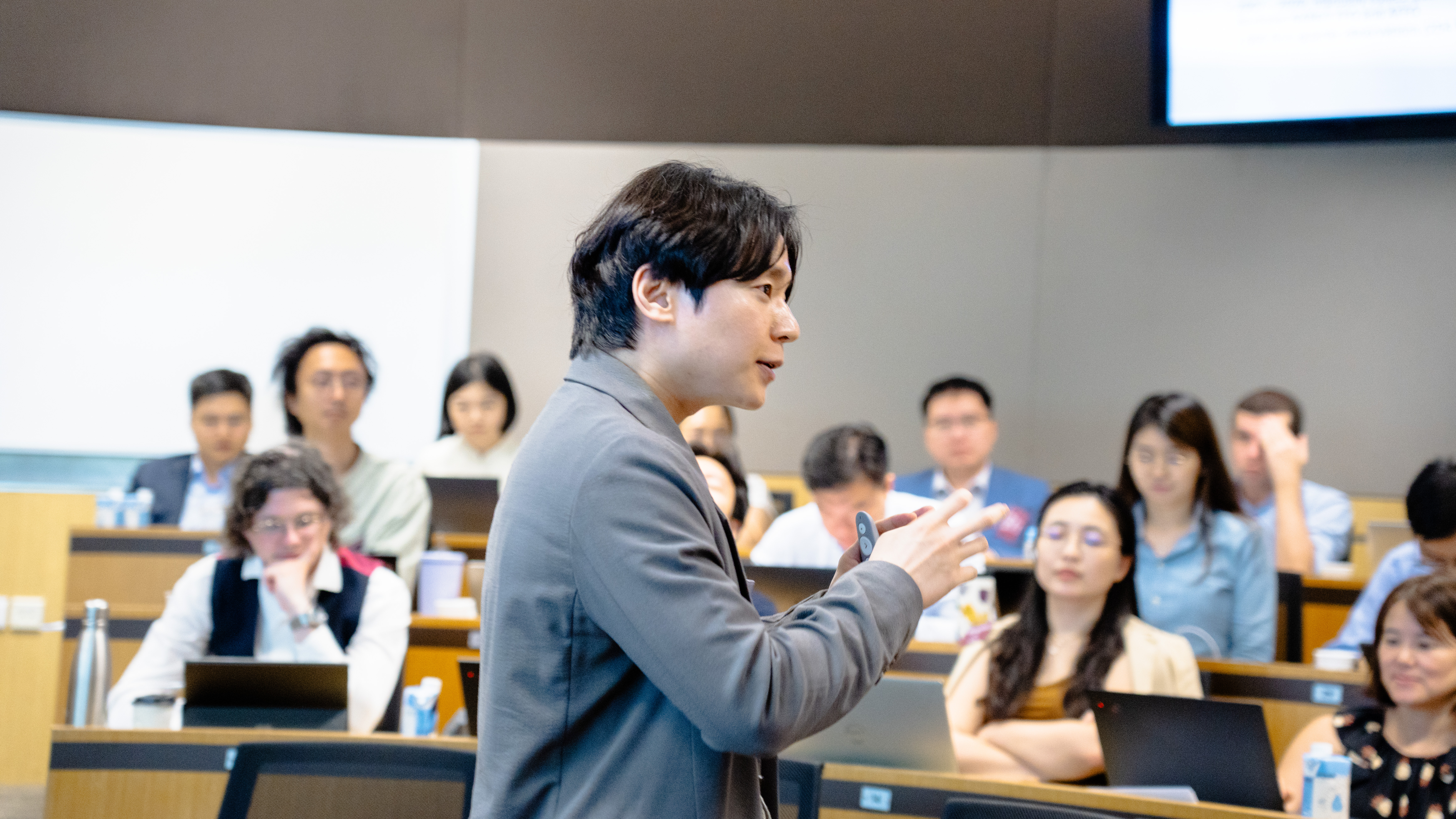
Touching on why companies would report non-GAAP financial measures, Professor Park said, “GAAP (Generally Accepted Accounting Principles) are, by definition, standardized, and any non-GAAP financial measures that are being reported can be attributed to firms wanting to convey some useful information which cannot be conveyed by the standardized requirements.
“By standardizing non-GAAP financial measures, firms are going to lose their discretion on what adjustments they want to include, and what they want to exclude.”
He goes on to explain that this will potentially lead to firms continuing to include non-standardized measures in their reporting in order to convey additional information in their reports.
The inference is made based on the US REITs industry, which is a unique industry that standardized non-GAAP financial measure called Funds From Operation (FFO). FFO was standardized and the standardization is almost universally adopted and backed by regulators. Yet, standardization does not stop reporting of unstandardized version of FFO. In addition, unstandardized version of FFO is more useful than the standardized version of FFO, which raises questions about the benefits of standardizing non-GAAP financial measures.
While the research cannot completely rule out the benefits of all types of standardization of unstandardized measures, the authors suggest that those needs and the objectives of standardization require greater clarity and discussion of different types of standardization may be warranted.